|
#1 Salicylic Acid |
 |
|
|
|
|
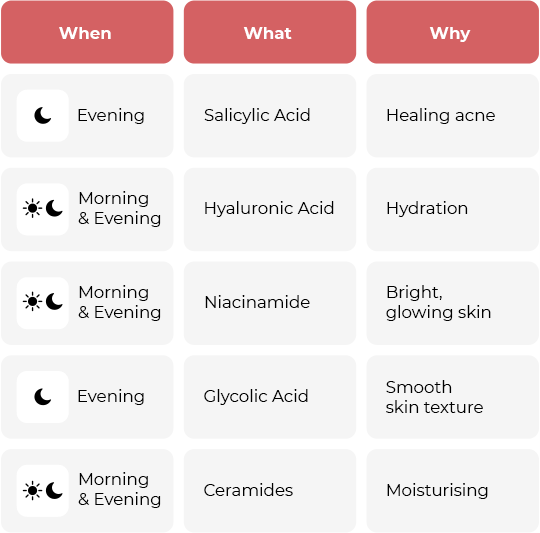
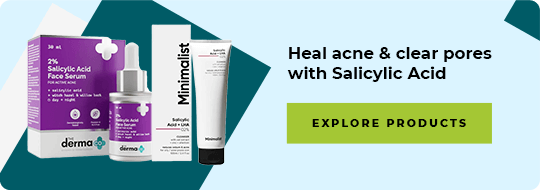
Salicylic acid is an oil-soluble acid of the type Beta Hydroxy Acid (BHA) that can penetrate deep into skin layers. |
|
|
|
|
|
|
Use in the evening or night. Apply on cleansed skin and follow it up with moisturiser. |
|
|
|
|
|
|
If you have dry skin, this can make it even drier. |
|
|
|
|
|
|
Salicylic acid is also used to make the popular painkiller Aspirin. |
|
|
 |
|
#2 Hyaluronic Acid |
 |
|
|
|
|
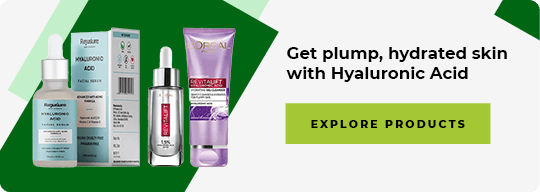
Hyaluronic Acid is a humectant that attracts and holds moisture. In the body, it aids skin health and wound healing. |
|
|
|
|
|
|
Twice a day after washing your face. |
|
|
|
|
|
|
HA works really well as a base for serums and improves their absorption. |
|
|
|
|
|
|
For a long time, HA was called the “goo” molecule because it is a key constituent of thick, viscous body fluids such as the cushioning fluid in our kneecap. |
|
|
 |
|
#3 Niacinamide |
 |
|
|
|
|
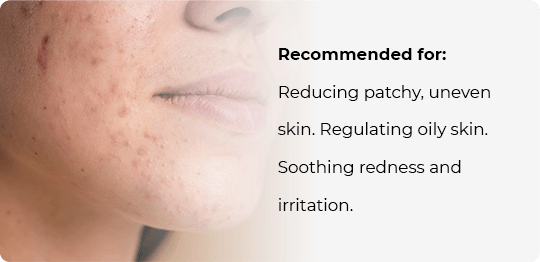
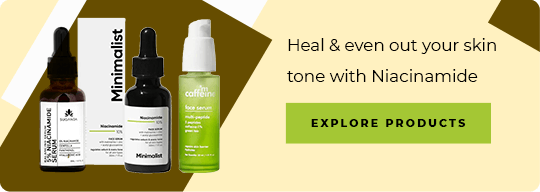
Niacinamide is a type of Vitamin B3 that repairs and protects skin. |
|
|
|
|
|
|
1-2 times a day after cleansing. |
|
|
|
|
|
|
Works really well in combination with Hyaluronic Acid. Apply HA first, followed by niacinamide. |
|
|
|
|
|
|
Our bodies can make niacinamide if we eat a vitamin B3-rich diet including eggs, whole grains, leafy veggies and nuts. |
|
|
 |
|
#4 Glycolic Acid |
 |
|
|
|
|
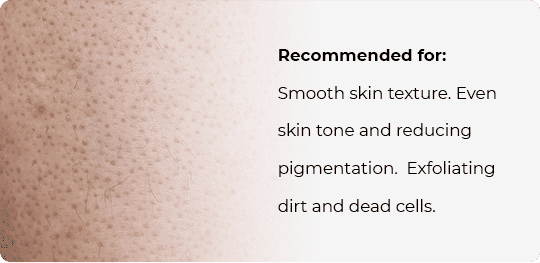
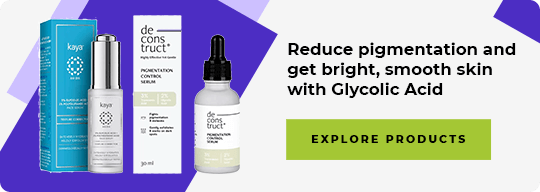
Glycolic Acid is a water-soluble Alpha Hydroxy Acid (AHA) that has an exfoliating (peeling) effect, encouraging new skin growth. |
|
|
|
|
|
|
Use in the evening or night. Start with twice a week and as your skin builds tolerance, increase to daily. |
|
|
|
|
|
|
GA can irritate sensitive skin. Definitely follow up with moisturiser and do not go out in the sun after application. |
|
|
|
|
|
|
Natural glycolic acid is derived from sugarcane, grapes, and pineapples. |
|
|
 |
|
#5 Ceramides |
 |
|
|
|
|
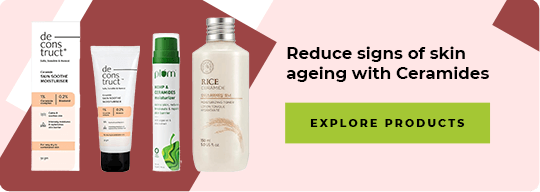
Ceramides are a type of fatty acid called lipids naturally found in our skin. They create a barrier, locking in moisture and keeping skin hydrated. |
|
|
|
|
|
|
1-2 times a day after cleansing but before a serum or sunscreen. |
|
|
|
|
|
|
Ceramides are usually available as moisturising creams, gels, and lotions. |
|
|
|
|
|
|
Up to 50% of the epidermis (top layer of our skin) is made up of natural ceramides, which we lose as we age. |
|
|
 |
|
Whew, that felt like a Class XII chemistry lesson, huh?
If you found this overwhelming, we totally get it.
|
|
Take your time to read up on these compounds and how they work.
Identify any 1 or 2 compounds to try out based on your skin condition and needs.
Do a patch test and follow instructions exactly as these ingredients are potent.
Apply regularly for at least 3 to 4 weeks before expecting results.
If you have a skin condition, talk to your dermatologist before trying anything new.
Bigbasketeer, what is your go-to skincare item, the one you swear by and would recommend? Whether it’s a kitchen ingredient or a favourite product, we’d love to know!
We’ll leave you with one secret ingredient that will make you glow and instantly attractive to anyone around.
|
 |
On that cheesy note
Love from all of us at Bigbasket. |