|
Science vs Ayurveda |
 |
|
Bigbasketeer, Ayurvedic medicine was based on the knowledge reserves of its time but it’s still surprisingly advanced. For example, the Susruta Samhita (published ~800 BC) describes how to reconstruct a broken nose, surgery to remove bladder stones, and how to remove cataracts!
Today, scientific research is being conducted to understand the functioning, effectiveness, and safety of Ayurvedic remedies. Today, we dive into six herbs most cited in Ayurvedic texts, and the science behind them.
|
|
|
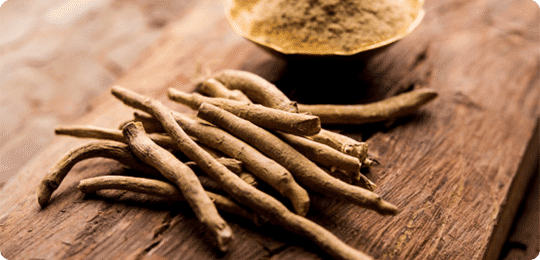
#1. Ashwagandha |
|
a.k.a. Indian ginseng or Winter cherry |
 |
|
Parts of the plant used: Mainly root but also stem & leaves
Great for:
|
» |
Stress relief and overall rejuvenation |
|
» |
Treatment of anxiety and insomnia |
|
Know the science:
Ashwagandha contains a number of phytochemicals, particularly withanine alkaloids which have anti-inflammatory, anti-tumour, and antioxidant properties and sitoindosides, a natural steroid that regulates stress and neurocognitive function. These are believed to be responsible for its revitalizing effect.
Need Ashwagandha supplements?
|
|
|
|
|
|
|
|
Did You Know?
Natural does not mean chemical-free — and chemicals aren’t necessarily bad for you! Everything (food, herbs, spices) is made up of chemical constituents. Some are naturally occurring and others are synthesized in a lab, that’s all.
|
|
|
|
|
|
#2. Turmeric |
 |
|
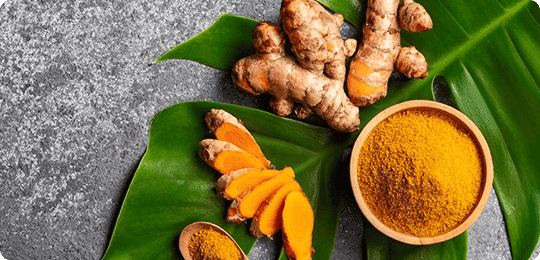
Parts of the plant used: Rhizome or root
Great for:
|
» |
Treatment of inflammation |
|
» |
Recovery from injury and strain |
|
» |
Reducing oxidative stress in the body |
|
Know the science:
Turmeric contains curcumin, a powerful antioxidant that reduces cell-damaging, cancer-causing oxidative stress in the body. The good news is Indian cooking uses a good deal of turmeric already. The bad news is that in its usual form, turmeric is not very bioavailable. i.e. it’s poorly absorbed and rapidly eliminated by our body.
So, what’s the fix?
Add a pinch of black pepper whenever you use turmeric in a recipe. The piperine in pepper boosts curcumin’s bioavailability by 2000%.
Or choose supplements with bioavailable curcumin or added piperine — read the label before you buy!
|
|
|
|
Don’t want multiple supplements?
Try chyawanprash. |
 |
|
Chyawanprash, the immunity-booster we were all given as kids, is a blend of medicinal herb extracts cooked in ghee or sesame oil. A decoction of herbs is first prepared which is then cooked down to a dried concentrate. Jaggery or honey and aromatics like cinnamon, cardamom, etc. are added for taste.
|
|
|
|
|
#3. Amla |
|
a.k.a. Indian gooseberry |
 |
|
Parts of the plant used: Fruit
Great for:
|
» |
Regulating blood sugar (diabetes control) & cholesterol |
|
» |
Treatment of inflammation |
|
» |
Reducing oxidative stress in the body |
|
Know the science:
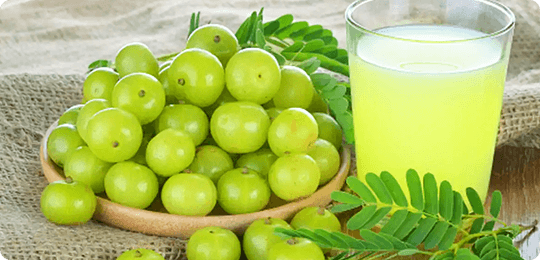
Amla is rich in Vitamin C and antioxidant polyphenols, particularly tannins. These give it the characteristic sour, lip-puckering taste — but also its glucose and LDL + triglyceride reducing properties. Ageing is a side effect of oxidative stress, which is why the antioxidant rich amla is often an ingredient of hair and skin care products.
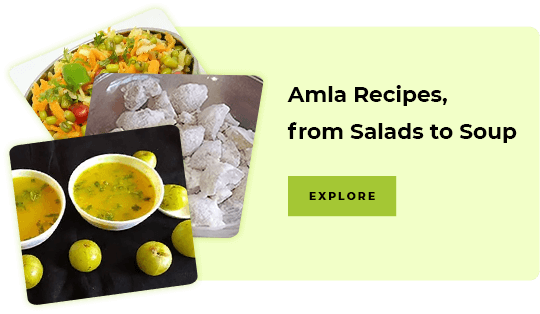
Point to note: Amla is best consumed fresh as its nutrition quotient is highest in this form. Check out some yummy amla recipes from salads to soup.
|
 |
|
But if you don’t enjoy the tart flavours, try dried amla powder or amla juice.
|
|
|
|
|
|
|
|
Did You Know?
Some Ayurvedic remedies are in the form of herb mixtures. For example, Triphala is a mix of amla, harad, and bibhittaki and is used to boost metabolism and improve gut health. Trikatu is a mix of long pepper, black pepper, and dry ginger, used to treat cough and cold.
|
|
|
|
|
|
#4. Giloy |
|
a.k.a. Guduchi or Amritaballi |
 |
|
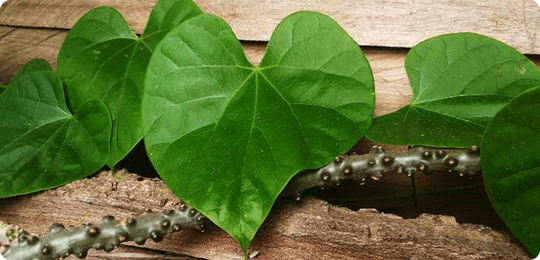
Parts of the plant used: Stem
Great for:
|
» |
Treatment of inflammation, especially of joints & muscles |
|
» |
Fever and allergy management |
|
» |
Blood sugar & cholesterol regulation |
|
Know the science:
Giloy is rich in alkaloids, glycosides, natural steroids, and phenolics, all of which contribute to reducing oxidative stress in the body, protecting immune function, pain management, and fighting infections.
How to use: If you can get your hands on fresh giloy stems, make a kadha or kashaya by boiling it in water. Or else, go for giloy juice or tablets.
|
|
|
|
|
|
|
|
Pro Tip
Always consult your doctor before taking supplements, especially if you are on other medications. As you can see, these have a significant impact on our bodily function and may interact with other medicines in your system.
|
|
|
|
|
|
|
|
|